
Lighting for Designer Kitchens to Create Atmosphere, Function & Impact
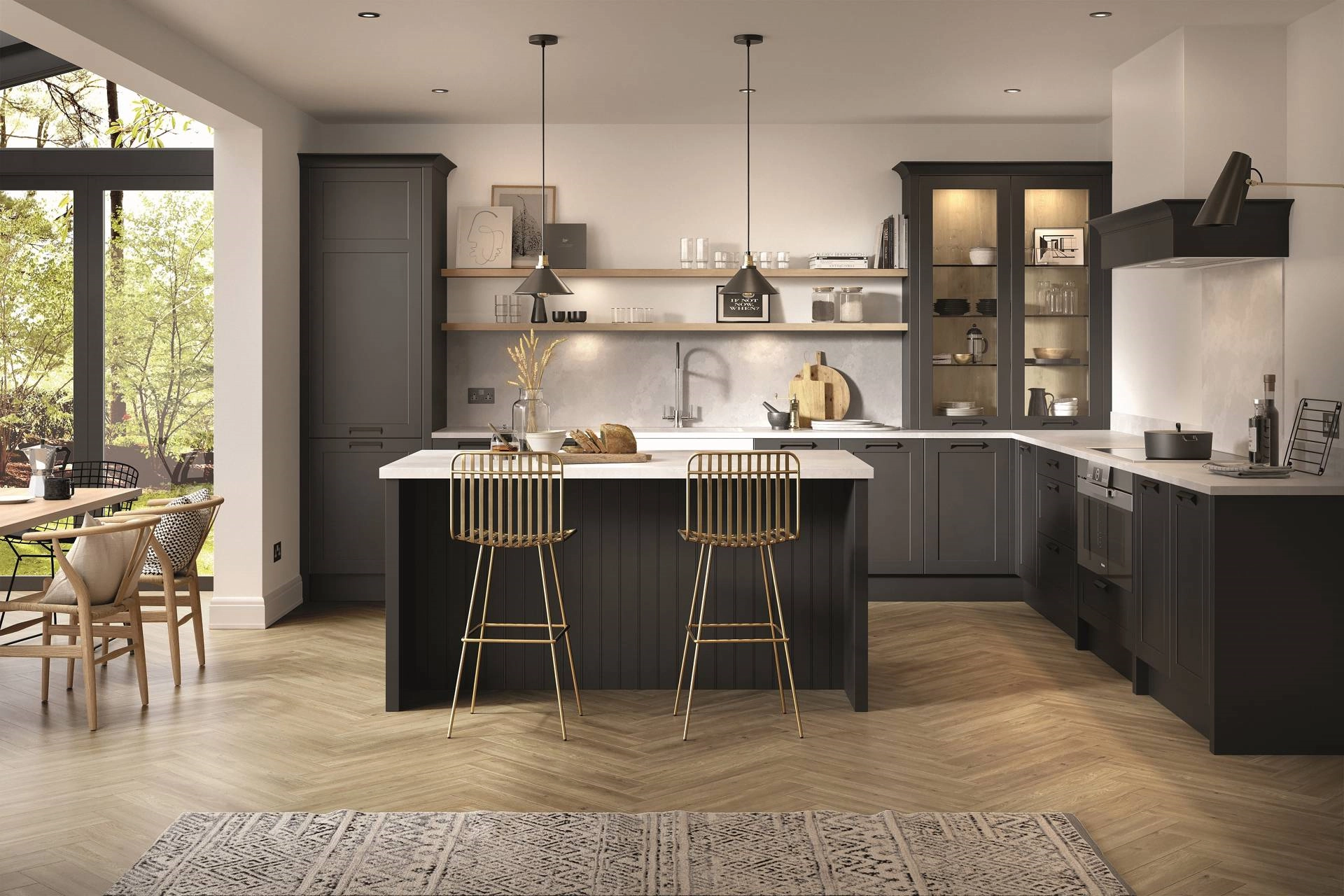
In a beautifully designed kitchen, lighting should never be an afterthought. It is one of the most powerful design tools available. Shaping how the space feels, how it functions and how its details are perceived. From early morning routines to evening entertaining, the right lighting transforms a kitchen from a purely practical workspace into a refined, atmospheric location.
At ICE Interior, we believe exceptional kitchen lighting is about balance, combining function with ambience, and technical precision with emotional impact. When lighting is layered, well-planned and thoughtfully integrated, it accentuates cabinetry, enhances materials and supports how the kitchen is truly used.
Let us explain how intelligent lighting for designer kitchens can enhance functionality, highlight architectural detail, and create a luxurious, inviting atmosphere.
Why Lighting Matters More Than Ever in Modern Designer Kitchens
Today’s kitchens are open-plan living spaces, social hubs, and design statements, often visible from dining and living areas. As layouts have evolved, lighting has taken on a far more complex role.
A single central ceiling light is no longer sufficient. Instead, modern kitchens require layered lighting that adapts to different tasks, moods and times of day. Lighting must work seamlessly with cabinetry, surfaces, appliances and finishes, enhancing both form and function.
When designed well, lighting:
- Improves visibility and safety for food preparation
- Defines zones within open-plan spaces
- Accentuates materials such as stone, timber and metallic finishes
- Add warmth and depth
- Creates atmosphere for entertaining and everyday living
The Power of Layered Lighting in Designer Kitchens
The most successful designer kitchens use a layered lighting approach, combining multiple light sources to create flexibility and visual depth. Each layer serves a specific purpose, and together they form a cohesive lighting scheme.
Ambient Lighting for the Foundation
Ambient lighting provides the overall illumination for the designer kitchen, ensuring the space feels bright, comfortable and welcoming. This is typically achieved through recessed ceiling downlights, discreet spotlights, or architectural lighting integrated into ceilings or bulkheads.
Ambient lighting should feel soft and evenly distributed, avoiding harsh shadows or glare. The goal is to create a calm base layer that supports the other lighting elements rather than overpowering them. Dimmable ambient lighting allows the mood to shift from functional daytime use to a more relaxed evening atmosphere.
Task Lighting for Precision
Task lighting is the most functional layer, designed to illuminate key work areas including preparation surfaces, sinks, hobs and kitchen islands. Under-cabinet lighting is one of the most effective solutions, providing focused illumination directly onto worktops without casting shadows. Integrated LED strips offer a clean, modern look and can be concealed within cabinetry for a seamless finish. Pendant lights are often used for kitchen islands to provide task lighting as well as to act as a strong visual feature.
Good task lighting not only enhances usability but also reduces eye strain and improves safety during cooking and food preparation.
Accent Lighting to Add Depth
Accent lighting is used to highlight architectural details, materials, and bespoke features within a designer kitchen. Adding depth, contrast and visual interest.
Popular uses of accent lighting include:
- Illuminated open shelving
- Internal cabinet lighting
- Plinth lighting at floor level
- Feature wall or splashback lighting
By subtly drawing attention to textures, finishes, and craftsmanship, accent lighting elevates the overall aesthetic of the kitchen. It also helps the space feel more layered and considered.
Enhancing Designer Kitchen Details Through Lighting
Lighting has the unique ability to enhance materials and reveal details that might otherwise go unnoticed.
Highlighting Cabinetry and Joinery
Integrated lighting within cabinetry can showcase the precision and quality of bespoke joinery. Internal lighting in glass-fronted units adds a sense of luxury while also improving functionality.
Plinth lighting beneath base units creates a floating effect, adding softness and visual separation from the floor, which is particularly effective in darker kitchens or open-plan spaces.
Elevating Worktops and Splashbacks
Stone, marble, and textured surfaces benefit greatly from well-placed lighting. Carefully positioned LED strips can accentuate veining, depth, and finish, turning functional surfaces into focal points.
Backlighting splashbacks or feature panels adds drama and creates a striking design statement without overwhelming the space.
Creating Atmosphere for Day and Night
A truly successful lighting scheme adapts effortlessly from day to night.
During the day, natural light often plays a leading role. Artificial lighting should complement daylight rather than compete with it.
In the evening, lighting becomes more atmospheric. Dimming ambient lights, switching on accent lighting, and using warmer colour temperatures instantly shifts the mood, transforming the kitchen into a relaxed, inviting space for dining and entertaining.
Choosing the Right Lighting Colour Temperature
Colour temperature has a significant impact on how a kitchen feels. Cool white light offers clarity and crispness, ideal for task areas but can feel clinical if overused. Warm white light creates a softer, more welcoming atmosphere, perfect for ambient and accent lighting.
In designer kitchens, a mix of colour temperatures is often used, with cooler light for precision tasks, balanced with warmer tones elsewhere to maintain comfort and warmth.
Integrated and Invisible Lighting Solutions for Designer Kitchens
One of the defining characteristics of luxury kitchens is how effortlessly lighting is integrated into the design.
Rather than visible fixtures, many high-end schemes rely on concealed LED profiles, recessed fittings, and bespoke solutions built directly into cabinetry and architecture. This creates a clean, uncluttered aesthetic where the effect of the light is noticed rather than the lighting source.
Smart lighting systems further enhance this experience, allowing scenes to be programmed and controlled at the touch of a button. From bright, functional settings to soft evening moods, lighting becomes adaptable.
The Role of Technology in Designer Kitchen Lighting
Advances in lighting technology have transformed what is possible in modern kitchen design.
Unlike traditional lighting, LEDs can be discreetly integrated into cabinetry, shelving, and architectural details without generating excess heat. This allows for elegant, minimal solutions that enhance the design rather than interrupt it. Slimline LED profiles can be concealed within joints and recesses, delivering precise illumination exactly where it is needed.
Smart lighting systems further elevate the kitchen design and experience. With intelligent controls, homeowners can programme different brightnesses and colours. Lighting can be adjusted via wall panels, mobile apps, or voice control, making the space feel intuitive and responsive.
Lighting in Open-Plan Designer Kitchens
In open-plan kitchens, lighting plays a crucial role in defining zones without physical barriers.
A kitchen island can be highlighted with pendant lights, while surrounding living areas use softer, lower-level lighting. This distinction helps each zone feel purposeful while maintaining a cohesive overall design.
Embracing Sustainable Lighting
Sustainability is now a key consideration in bespoke kitchen design, and lighting plays a significant role. Energy-efficient LED lighting consumes significantly less power than traditional alternatives while offering superior performance and longevity.
Thoughtfully planned lighting reduces unnecessary energy use by focusing illumination only where it is required. Zoned lighting allows different areas of the kitchen to be lit independently, preventing the need to illuminate the entire space when only one area is in use.
Dimmable fittings also contribute to energy efficiency while enhancing ambience. Lower light levels in the evening not only create a more relaxed atmosphere but also reduce energy consumption over time.
The Importance of Planning Lighting When Creating a Designer Kitchen
Lighting should be considered from the earliest stages of the design process, not added at the end.
Early planning allows for:
- Seamless integration with cabinetry and ceilings
- Correct positioning of power supplies and fittings
- Alignment with furniture layouts and appliance placements
At ICE Interior, lighting is treated as an integral part of the kitchen design, ensuring every detail works in harmony.
Begin Your Designer Kitchen Journey with ICE Interior
If you are planning a kitchen that balances beauty, functionality, and timeless design, ICE Interior offers a fully bespoke approach tailored to your lifestyle and space. Every element is carefully considered to create a designer kitchen that feels effortless and exceptional.
Our experienced team will be happy to help. Call us on 01590 675675 or complete the online contact form.